
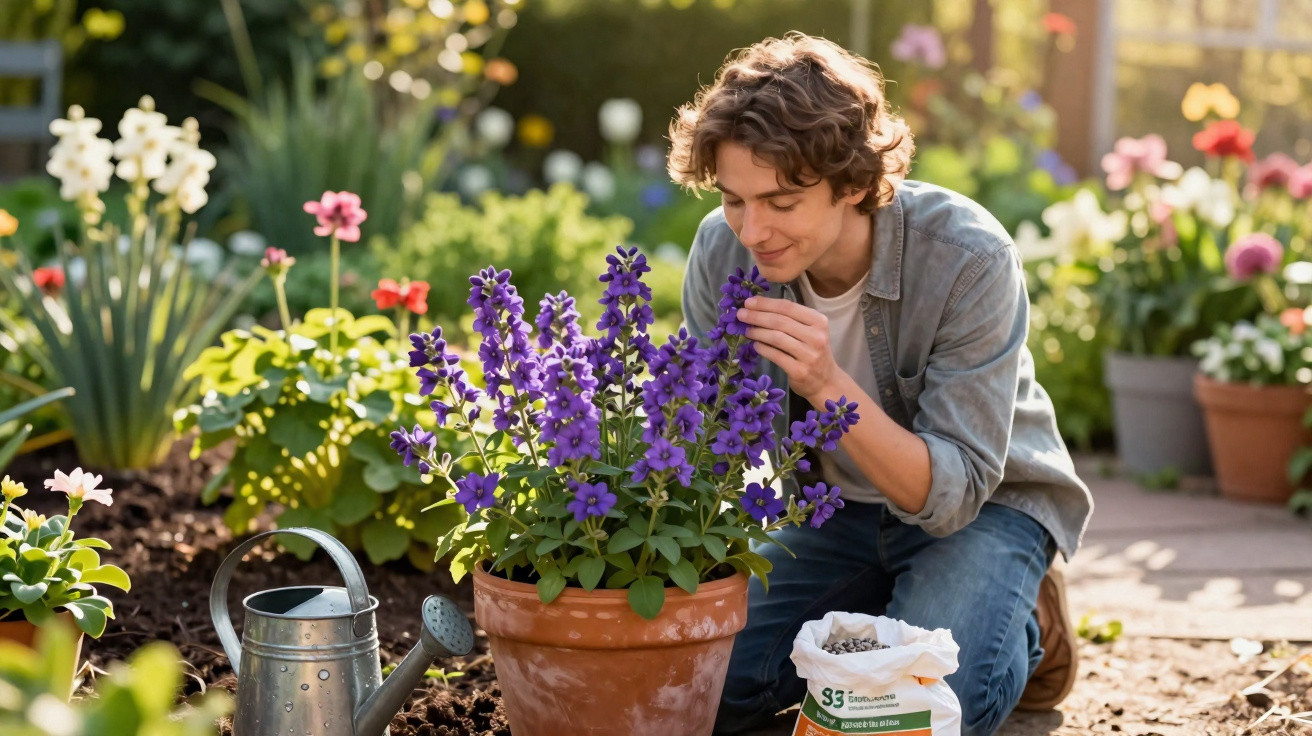
Planting in April sets you up for a summer filled with colour and rich fragrance. One modest-looking perennial has quietly become a favourite with many gardeners in recent years - not because it’s large, but because it carries an intoxicating vanilla-like scent and flowers for an exceptionally long time.
The secret garden diva: what makes the vanilla flower so special
The plant in question is Heliotropium arborescens, more commonly known here as the vanilla flower (often also called the vanilla plant). It originates from South America, where it’s used to warm, sunny conditions. That natural preference is exactly what makes it such a brilliant choice for gardens, balconies, and terraces.
“The vanilla flower combines intense fragrance, months of flowering and a compact habit - ideal for laid-back pleasure seekers with a feel for atmosphere.”
To some noses, the perfume is pure vanilla; others pick up almonds or the refined note of tonka beans. Anyone who has spent a summer evening next to a pot of vanilla flowers tends not to forget it in a hurry. The scent lingers like a light haze and can make even a small city balcony feel like a dedicated fragrance garden.
Clouds of flowers from May to October
Visually, the vanilla flower offers more than you might assume at first glance. It produces dense flower clusters - usually violet - sitting like small cushions on the stems. Cultivars with lavender or white blooms are also widely available and can add particularly elegant highlights.
The foliage is deep green, gently ribbed, and almost velvety in appearance. Against those dark leaves, the bright flower heads create strong contrast in borders and containers - an effect many gardeners deliberately use to lift dull corners.
What’s especially appealing is the flowering season: with the right care, it can run from May well into October. In other words, it delivers what many gardeners want most - months of bloom without needing attention every single day.
Why gardeners swear by the vanilla flower
Garden centres and plant fairs now treat it as a standard choice for scented planting schemes. There are clear, practical reasons for that:
- Compact growth: typically 30 to 50 centimetres tall, ideal for pots, window boxes, and edging.
- Perfect for containers: thrives in pots, bowls, and hanging baskets.
- A magnet for insects: bees, butterflies, and other pollinators actively seek out its sweet nectar.
- A long fragrance window: scented from morning into the evening, even on hot days.
At a time when many people want to do more for insects, the vanilla flower is a useful piece of the puzzle: it looks good, smells strong, and provides nectar - a small all-round package in a compact space.
Positioning: where the vanilla flower truly thrives
To get the very best out of this plant, it helps to work with its preferences. The vanilla flower wants warmth, plenty of light, and nutrient-rich soil. Put simply: a sunny to lightly shaded position is ideal - preferably sheltered from wind and not in a draught.
“The sunnier and warmer the position, the more intensely the vanilla flower develops its fragrance.”
Soil should be fertile, evenly moist, yet free-draining. The plant quickly reacts to waterlogging with root rot. If you garden on heavy clay, it’s best to mix in sand or fine gravel to improve aeration.
In borders or in pots - both work well
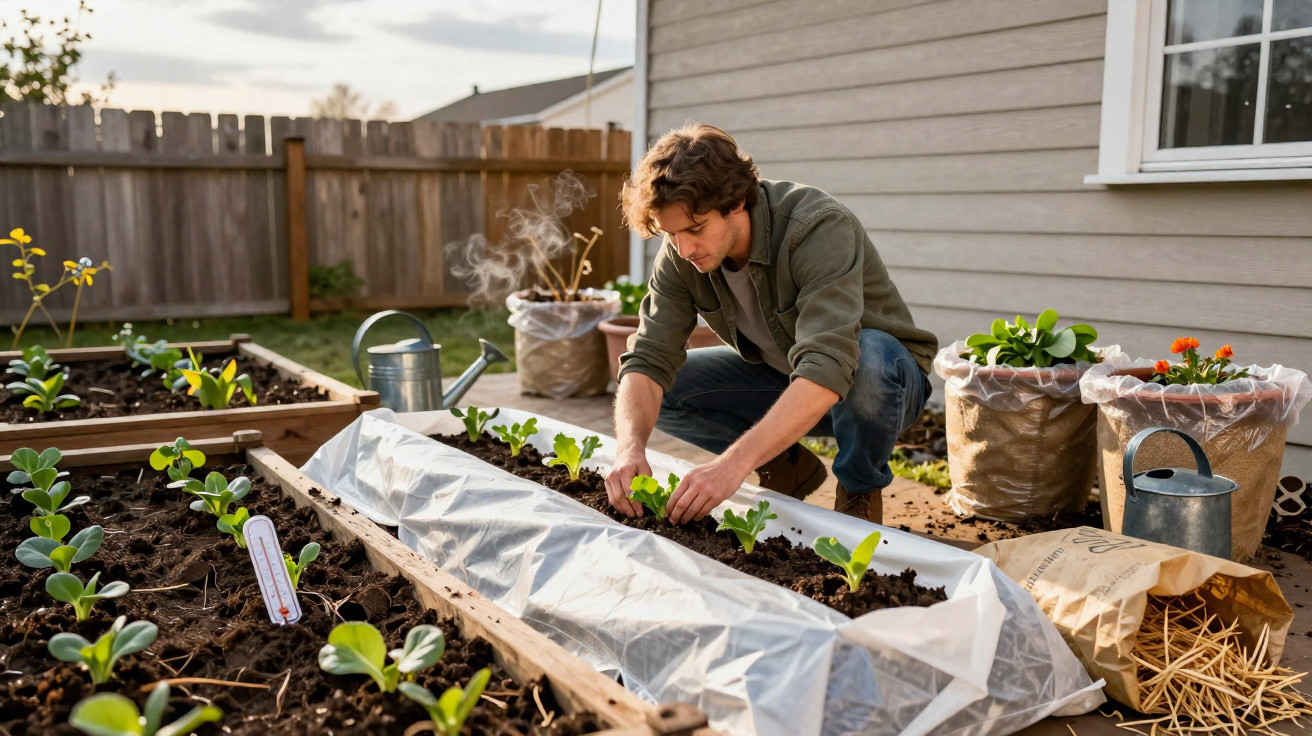
In the ground, plant the vanilla flower only after the last frosts in mid-May, when night temperatures are no longer threatening. In containers, it can go outside a little earlier, as long as you can protect it briefly if a cold snap arrives.
For pots and boxes, the basics are:
- high-quality compost, ideally enriched with a little additional compost
- a drainage layer of clay pebbles or gravel over the drainage hole
- a light but not too small pot, so the roots have enough room
In borders, it works particularly well along the edge of scented beds, beside paths, or close to seating areas - so you can actually enjoy the fragrance where you spend time.
Care: low effort, big impact
The vanilla flower isn’t a prima donna, but it does need a few simple rules to show what it can really do.
Watering and feeding the right way
Keep the compost consistently lightly moist, without letting water sit in the saucer. If a pot dries out completely, the plant often responds quickly with drooping leaves and fewer flowers. In practice, giving a thorough water rather than constant little dribbles tends to work well.
From May to August, regular feeding is rewarded with abundant blooms. A liquid feed for flowering plants every two weeks is sufficient. In the border, a starter dose of compost in spring is often enough, with a light top-up during summer.
Removing spent blooms - the small trick for continuous flowering
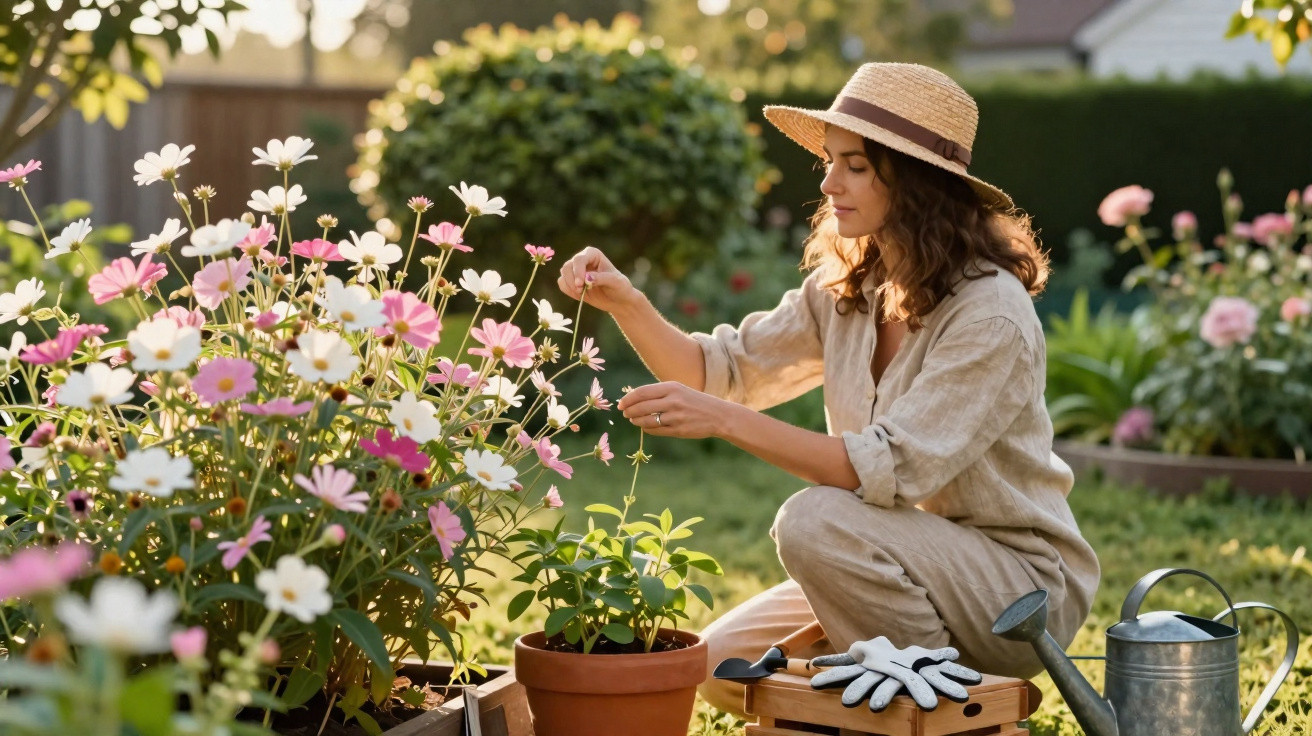
A simple but highly effective habit is to remove faded flower heads regularly. It only takes a few minutes each week, yet it encourages the plant to keep producing new blooms.
“If you consistently pinch off spent flowers, you can enjoy fresh flower clusters right into autumn.”
Use small scissors - or simply your fingers - to snip off the faded clusters, and you’re done. This keeps the plant compact and looking consistently tidy.
Frost-tender, but not a write-off: how the vanilla flower survives winter
In our climate, the vanilla flower is generally considered not winter-hardy. Left in the ground, it usually won’t make it through winter. Even so, you don’t necessarily need to buy a new one every year.
If you have a bright, cool place - for example a stairwell, conservatory, or a frost-free cellar with a window - you can overwinter it there. The ideal temperature range is 5 to 10 °C. During its rest period, water sparingly and allow the compost to dry slightly.
In spring, cut the plant back a little to rejuvenate it, then reintroduce it gradually to brighter light and put it back outside from mid-May. That way, the same vanilla flower can stay with your garden for several years.
Which plants pair especially well with the vanilla flower
Whether in a border or a container, the vanilla flower is easy to combine. Contrasts in colour and form are particularly effective:
- With roses: the vanilla scent complements rose fragrance, and the dark foliage sets off paler flowers.
- With grasses: fine ornamental grasses add movement, while the vanilla flower provides scented pops of colour.
- With pelargoniums: in window boxes, you get a classic summer look with masses of bloom.
- With lavender: two fragrant plants with different nuances - a strong duo for bees.
If you want a purely scent-led scheme, combine the vanilla flower with night-scented plants such as night-scented violet, or with herbs like mint and lemon balm. This creates a garden spot that feels genuinely alive in the evening.
A few practical everyday pointers
The label “perennial” can sometimes be misleading with this plant. In its native habitat it truly is a perennial, but in our climate it doesn’t always get the conditions it needs. In practical terms, that means: in the border it behaves more like a summer bedding plant, while in a pot with winter shelter it acts like a long-term ornamental.
If you’re short on time, start with one or two larger specimens in containers and place them straight by your favourite spot in the garden or on the balcony. After just a few days you’ll see whether the position suits it: strong green growth, new buds forming, and a steadily intensifying scent are all good signs.
Especially in small city gardens or on balconies, this plant is well worth it. It doesn’t take up much room, yet it brings a clearly noticeable benefit: atmosphere. At a time when many gardens are becoming ever more functional, the vanilla flower restores what many people quietly miss - a touch of sensual, fragrant garden romance.

Comments
No comments yet. Be the first to comment!
Leave a Comment