
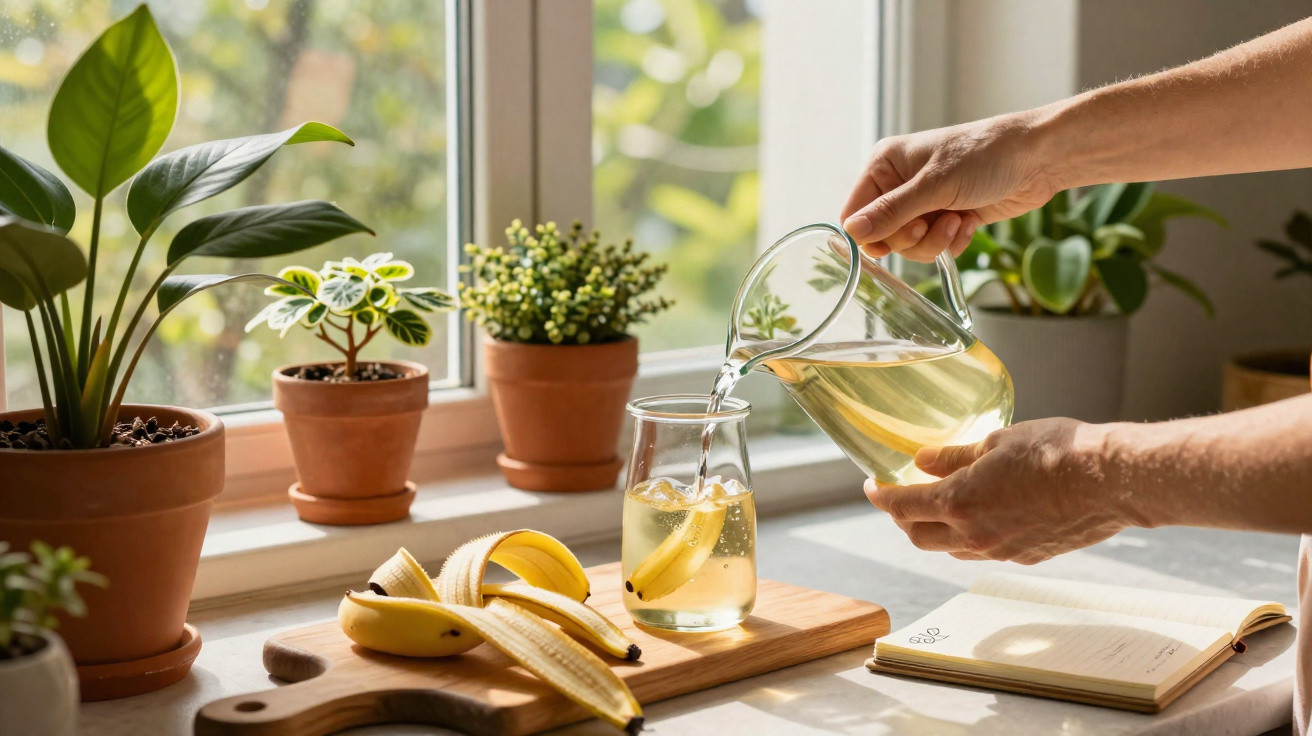
This is exactly the point at which a straightforward home method comes into play, shared by a houseplant enthusiast: a homemade liquid fertiliser mixed from just two ingredients. She starts in spring and says it keeps her houseplants growing strongly well into autumn - without pricey specialist products from the garden centre and without complicated care schedules.
Why houseplants often struggle in spring
After winter, many plants in the living room or home office look noticeably drained. Weeks of dry central-heating air, limited daylight and sometimes irregular watering leave their mark.
- Leaves feel soft or droop downwards
- Growth can stall for months
- Familiar flowers appear much later - or not at all
- The compost looks depleted and forms a crust
A common reaction is to reach for highly concentrated shop-bought liquid fertilisers. That can work well in large containers outdoors. On a windowsill, though, small pots can be overwhelmed quickly: too much fertiliser may scorch roots, cause brown leaf edges or encourage mould on the surface.
"Rather than overloading plants with nutrients, the method relies on a gentle, natural nutrient shower at a clearly defined time of year."
The spring reset: a simple routine from late March
Her routine kicks off each year around late March, when the days are clearly getting longer and many houseplants begin to come out of their winter rest. That’s typically when you first spot fresh growth on orchids, peace lily, spider plant or snake plant.
She deliberately waits for these signs of life. Only once new leaves or buds can be seen does she gradually adjust how she waters and start adding her homemade liquid fertiliser to the water. The idea is to support growth that has already begun, instead of trying to force new growth in the depths of winter.
Banana water as a fertiliser: what’s behind it
At the heart of the approach is a deliberately minimalist liquid feed, often simply called “banana water”. It uses only two ingredients: a banana peel and water.
Why bananas are interesting for plants
Banana peels contain, among other things:
- Potassium - helps strengthen plant tissue and supports flower formation
- Small amounts of phosphorus - important for roots and buds
- Trace elements - contribute to robust, deep-green foliage
Over time, these substances seep into the water. The result is a mild nutrient solution that doesn’t overload the compost, which makes it particularly suitable for houseplants in smaller pots.
How to prepare the nutrient solution
The basic process is easy to replicate:
- Roughly chop up the banana peel (organic bananas are a clear advantage here).
- Put the pieces of peel into a container of water.
- Leave it to stand for several days so the nutrients can leach out.
- Pour off the liquid and strain it, for example through a sieve or cloth.
- Dilute further with plain water before watering.
"This mixture isn’t a concentrated turbo-fertiliser - it’s more like a light nutrient tea that fits easily into your normal watering routine."
How often to use it: a rhythm through the year
She follows a clear seasonal pattern when using banana water.
| Season | Using banana water |
|---|---|
| Early spring (late March/April) | around once a month, lightly diluted |
| Late spring to summer | up to once a week, more diluted |
| Autumn | taper off gradually, less often again |
| Winter | stop completely; use only plain water as needed |
In winter, most houseplants are in a resting phase. New leaves develop much more slowly, and breaks in flowering are normal. Extra nutrients are unlikely to be used efficiently; instead, they tend to accumulate in the growing medium. For that reason, she stops the nutrient solution consistently during this period and waters sparingly with ordinary tap water or rainwater.
Important points of caution when using it
Even though the method is simple, a few details matter:
- Don’t water too often: The nutrient solution doesn’t replace a healthy watering routine. Waterlogging can quickly lead to root rot.
- Watch the smell: If the mixture develops a strong rotten odour, discard it and make a fresh batch.
- Keep the container cool: Avoid a warm windowsill to slow down fermentation.
- Always dilute: Especially with more frequent summer use, reduce the strength noticeably.
"The banana mixture is meant as an add-on - not an invitation to keep watering ‘just a little bit more’."
Does it attract pests?
A common concern is whether a slightly sugary solution might attract fungus gnats or other nuisances. She says she hasn’t noticed any increase in pests at home. The key is to ensure no peel scraps end up in the pots, and not to pour the water onto the compost undiluted or in excessive amounts.
If you already have fungus gnats, it’s wise to be extra cautious: strain the mixture thoroughly, use very small doses and make sure the top layer of compost dries out completely between waterings. Yellow sticky traps or a thin layer of sand on the surface can also help alongside.
Alternative: nutrients from rice water
Alongside banana water, she mentions a second, equally simple option: water used to wash rice or briefly soak it. This water contains starch and small amounts of minerals, which plants can tolerate well in limited quantities.
The same basic rules apply:
- use sparingly
- don’t use it in winter
- always dilute well
- don’t leave it sitting open for days
Rice water can be particularly suitable for plants that generally like a bit more feeding, such as vigorous leafy houseplants with lots of foliage. With sensitive species, a very low dose is beneficial to avoid risking root damage.
Which plants this method suits
This routine is used on a wide range of types: orchids, snake plant, peace lily and spider plant - all can benefit from a gentle start to the growing season. What matters is understanding each plant’s basic needs.
A few examples:
- Orchids: Water only occasionally with a heavily diluted solution; never keep them constantly wet.
- Snake plant: Water very sparingly - less nutrient solution is better than more.
- Peace lily: A bit thirstier, and tends to cope well with regular but not excessive feeding.
- Spider plant: Tough and often responds quickly with stronger leaf growth.
Why timing is almost more important than the recipe
Experience suggests the biggest lever may not be the type of fertiliser, but the timing. Anyone trying to push plants into growth during a gloomy January is working against natural rhythms. It’s far more effective to wait for brighter days and the first buds or new leaves - then supply a modest amount of gentle nutrients.
That creates a routine that’s easy to remember: rest in winter; a gentle start from late March to April; regular but heavily diluted feeds in summer; and a slow wind-down from autumn. Combined with suitable positioning, timely repotting and careful watering, a simple banana-water mix can help keep a personal indoor jungle looking healthy and lively throughout the year.


Comments
No comments yet. Be the first to comment!
Leave a Comment