
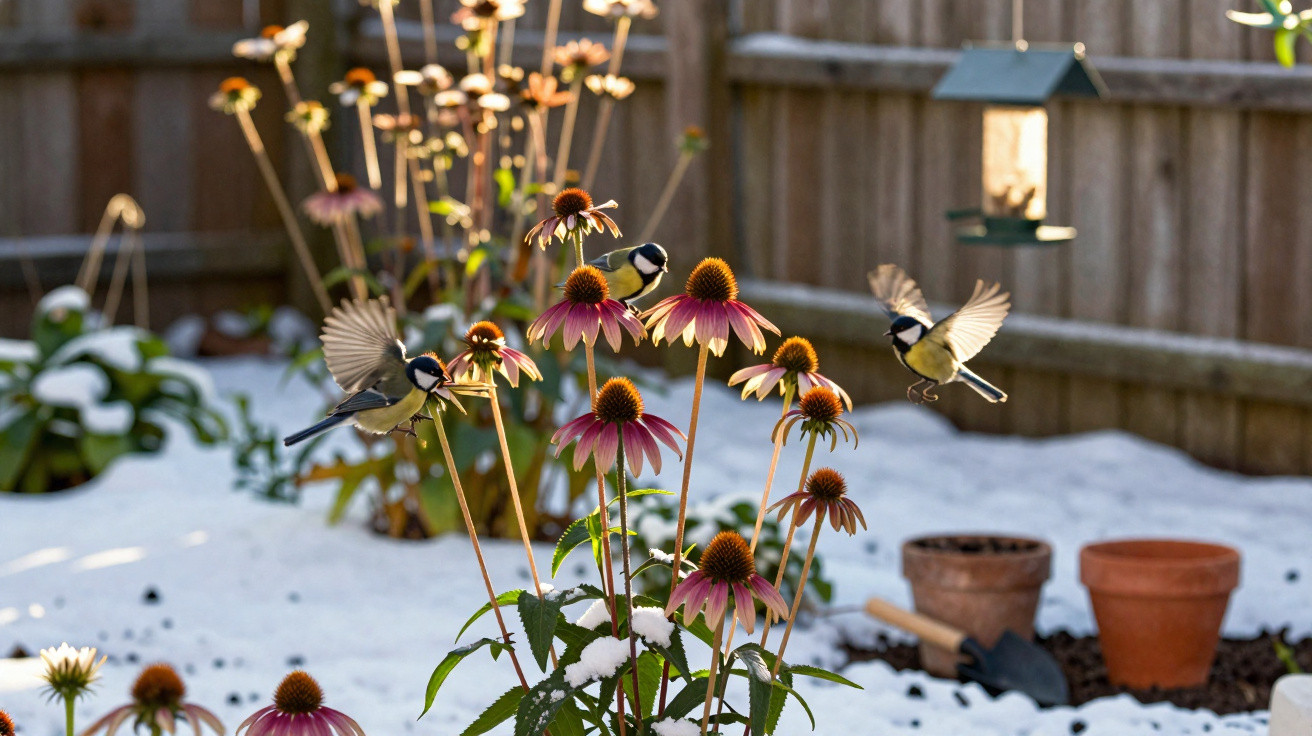
Many garden owners hang up bird feeders in winter, then wonder why only a handful of birds turn up – or why it quickly becomes a messy affair. If you plan ahead in spring, you can create a natural feeding spot that keeps going without constant top-ups and reliably draws in tits, finches and other winter visitors. The key is a tough perennial that has been underestimated for far too long.
Why now is the best moment for a “bird buffet strip”
March and April are often ideal across much of the UK: the soil is no longer frozen, it still holds plenty of moisture, and it begins to warm gradually. That’s exactly the window when perennials can be planted so they root deeply before the first heat arrives.
Planting now doesn’t just set you up with flowers for summer – it also builds a larder for next winter. When there’s little else about, birds can use the seed heads. And you get a lively show right outside the living-room window.
With a thoughtfully planned perennial border, part of winter feeding can be shifted back into nature – without plastic silos, without daily refilling.
The point isn’t to abandon shop-bought feed, but to complement it sensibly. That means less pressure at a single feeding point, more variety of species, and noticeably healthier conditions for the birds.
The forgotten perennial that attracts tits in winter like magic
At the centre of it all is a plant many people mainly associate with herbal remedies or butterflies: purple coneflower, botanically Echinacea purpurea. It belongs to the daisy family and is known for being exceptionally long-lived.
Its value isn’t limited to its summer display. The real interest starts when other plants have long since finished flowering – and have often been cut back.
How the seeds help birds through cold nights
In the middle of each flower sits a firm, slightly spiky cone. Once flowering ends, that cone forms small nutlets known as achenes. Inside are oily seeds that are rich in fat and protein.
That combination is exactly what small songbirds need to maintain body temperature. Tits, finches and other species burn through huge amounts of energy on cold nights. Every calorie-dense seed matters – especially during snowy spells or prolonged winters.
There’s also a second advantage that, in everyday gardening terms, is almost more important than nutrition: the stems stay stiff and upright. Small songbirds weighing around 15 to 20 grams can perch comfortably on the dried flower heads and feed at their own pace – well above the ground and away from mice and rats.
Each faded coneflower head turns into a natural feeder – the plant stays put, and the birds do the rest.
Purple coneflower copes with biting cold to well below -20 °C and will remain in the same place for many years. If you resist the urge to reach for the secateurs in summer and leave the stems standing, you automatically create a stocked “granary” for songbirds in winter.
When and where to plant Echinacea so the garden becomes a bird magnet
For this perennial to deliver its full effect, timing and location matter. Both are straightforward, but a few basics are worth following.
The ideal planting window in spring
- Planting period: roughly mid-March to the end of April
- Requirement: no hard overnight frosts – light ground frost is usually not a problem
- Benefit: the soil is still cool and moist, so roots can grow deep before summer heat begins
If you plant during this period, it often flowers in its first summer. That means the first seed heads for birds can be available as early as the following winter.
The right spot in the garden
Purple coneflower thrives in sun. It can sometimes tolerate partial shade, but it only becomes properly vigorous and sturdy with plenty of light.
- at least 6 hours of sun a day
- ideally in a border you can see from the house – the patio, living-room window or the view from the kitchen
- avoid planting directly under large trees that compete for water and nutrients
The soil needs to be free-draining. Winter waterlogging is the most common reason the plant disappears – not low temperatures.
How to plant successfully, step by step
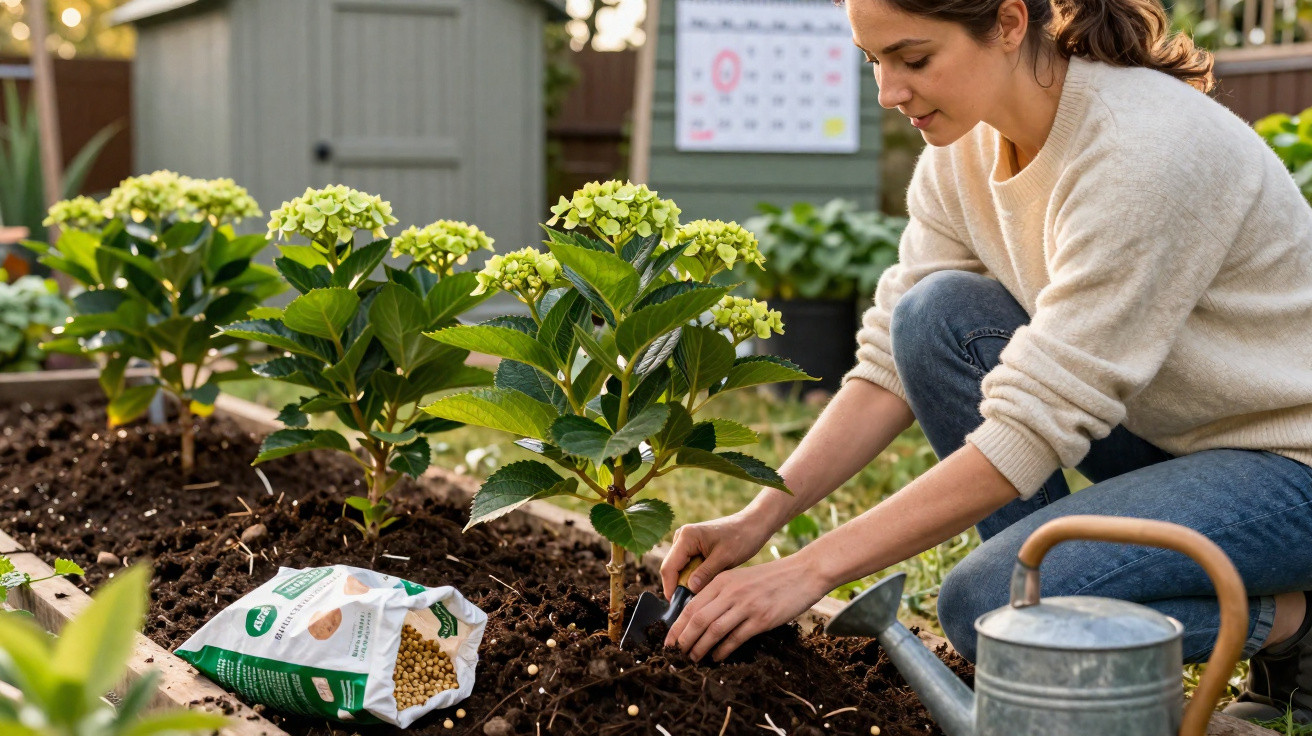
- Loosen the soil to a depth of around 20 centimetres.
- If you have heavy clay, work two handfuls of sand and one handful of gravel into each planting hole so water drains more easily.
- Water the pot thoroughly until no more air bubbles rise.
- Plant so the top of the root ball sits level with the surrounding soil.
- Firm the soil and water in well.
Space plants about 40 to 50 centimetres apart. If you want a more continuous patch, allow up to five plants per square metre. This creates a small perennial strip that later feels like a mini prairie-style border – and in winter looks like a bird filling station.
How a single border can noticeably reduce bird feeder problems
Traditional feeding stations have their place, but they also come with drawbacks. Seed gets damp, goes mouldy, or ends up on the ground where rats and pigeons take it. Where lots of birds feed in a tight space, diseases spread more easily, including bacterial gut infections.
Conservation organisations regularly point out that natural food sources in the garden can significantly reduce these risks. Songbirds spread out across many plants rather than feeding shoulder to shoulder at one feeder.
A strip with coneflower and other seed-rich perennials provides food without constant human intervention – and reduces both stress and disease pressure at the feeding point.
Another advantage is that the seed heads sit exposed to the air. They dry on their own and are difficult for rodents to reach. While food scattered on the ground can attract mice and rats, tits and finches can feed on the stems at a safer height.
How to keep the “bird buffet” open for as long as possible
The most effective trick sounds almost too simple: don’t cut down faded stems. Many hobby gardeners do a thorough tidy-up in autumn because they like a “neat” border. Without realising it, they remove exactly what becomes so valuable in winter.
Purple coneflower can safely turn brown and dry out. With hoar frost or a light dusting of snow, it often looks striking. And the more seed heads you leave standing, the longer the food supply lasts.
- Autumn: leave the stems completely in place
- Winter: watch the birds feeding; don’t cut anything back
- Spring: only cut once new growth is clearly visible
This gives enough time for the last seeds to be eaten. As a bonus, insects can also overwinter in hollow or pithy stems, making the garden more lively again in summer.
Which plants complement Echinacea perfectly
The impact is even stronger if you mix perennials. Different species set seed at different times and also provide nectar for insects.
Good partners for purple coneflower include, for example:
- red coneflower or other Echinacea varieties
- sneezeweed and coneflower (Rudbeckia species)
- tall stonecrop (Sedum), whose seed heads are also frequently visited in winter
- great burnet and various thistle species (where they are tolerated)
This creates a buffet with different “levels”: sometimes taller, sometimes lower; sometimes earlier, sometimes later to ripen. Birds take advantage of that variety – and you get a border that stays interesting from early summer well into winter.
Practical notes on care, risks and small pitfalls
Purple coneflower is generally low-maintenance. In its first summer, occasional watering during long dry spells helps the young plant establish without wilting. Later on, it usually copes without extra watering, especially in ordinary garden soil.
There is one real risk on very wet, heavy ground: the plant can rot in winter. Raising the bed slightly, or incorporating gravel and sand until the soil becomes more open and crumbly, usually solves the issue.
If you have children or pets, it’s worth noting: the plant itself is considered largely unproblematic, but the spiky seed heads can prick. In spring, wear gloves when cutting back and don’t simply throw the dry stems on to the lawn.
Another welcome side effect concerns insects: in summer the flowers provide abundant nectar for bees, bumblebees and butterflies. So you achieve two aims at once: a summer nectar source for pollinators and winter food for birds.
From a gardening perspective, cultivar choice also matters. Heavily double-flowered types may look luxurious, but they often produce fewer seeds, or seeds that are harder to access. If you genuinely want to help birds, choose single, more natural-looking varieties with well-formed flower heads.
With just a few plants and a little patience, you can turn your garden into a dependable refuge for tits and other songbirds – without constantly hauling home new sacks of feed.

Comments
No comments yet. Be the first to comment!
Leave a Comment