
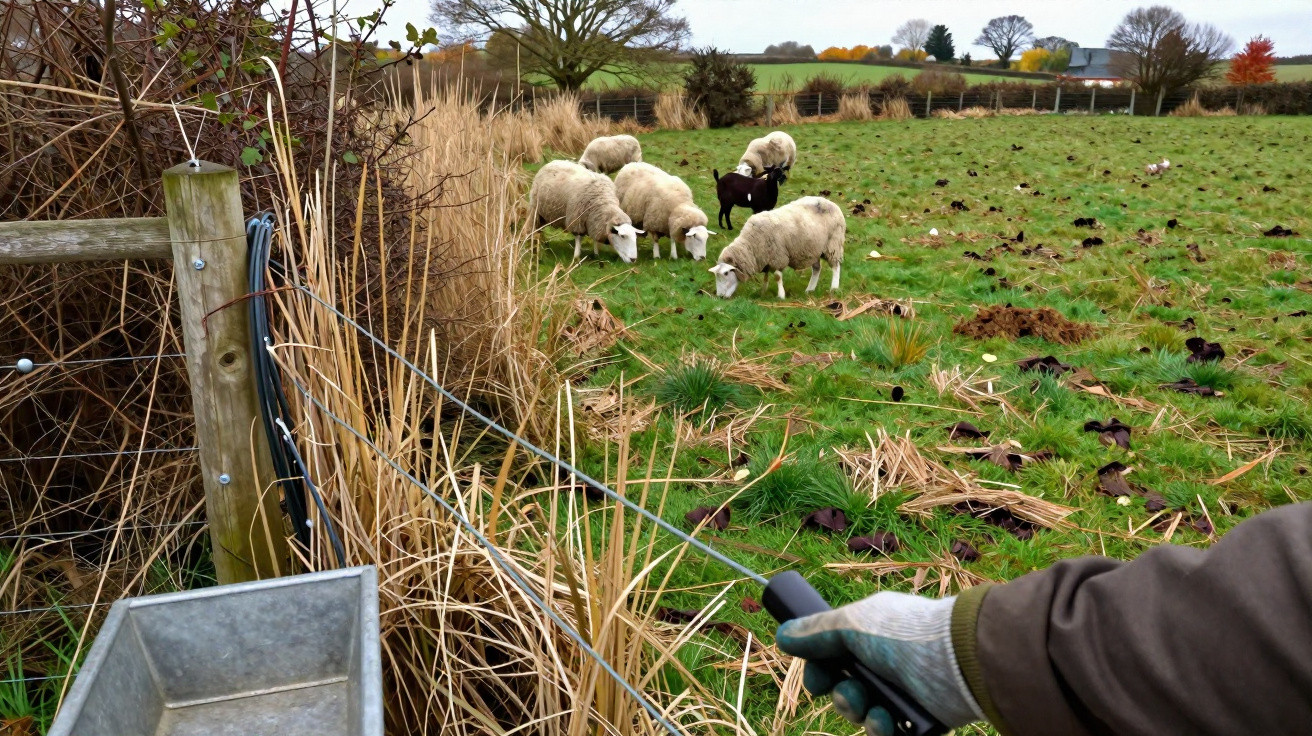
An overgrown bank or scrubby field can make people reach for a strimmer, a contractor and a weekend of hard work. Managed grazing can help, particularly where long grass, brambles and rough vegetation keep returning. Sheep, goats and cattle eat different plants and can maintain areas that would be difficult to cut repeatedly.
The comparison with “100 people” is not a useful measure: the result depends on the land, the animals, the season and the standard of work required. The practical point is that a properly managed flock or herd can reduce vegetation across a large area over time. It is not a shortcut, and it is never a case of simply turning animals loose.
Good grazing is planned land management, with animal welfare and daily responsibility at its centre.
What grazing can - and cannot - clear
Grazing does not produce a tidy, bare site, nor should it. Meadows, heathland, woodland edges and rough pasture often benefit from a varied mix of short grass, taller plants, bare ground and shelter for wildlife.
Livestock can reduce the amount and continuity of vegetation:
- Sheep mainly graze grass and shorter broad-leaved plants. They can help keep grassland open and reduce rank growth.
- Goats browse readily on bramble, scrub and some woody growth. They require particularly secure fencing and close supervision.
- Cattle can eat coarser vegetation and create a more varied structure through their grazing and movement. On wet or fragile ground, however, their weight can damage soil.
- Mixed grazing may suit some sites because each species feeds differently.
Mature scrub, thick bramble beds and young trees are unlikely to disappear after one grazing season. Initial cutting, selective clearance or professional tree work may be needed, with grazing then used to limit regrowth.
A useful part of vegetation and fire planning
Dry grass, dead vegetation and dense scrub can allow fire to spread more readily, especially where they form an uninterrupted strip beside homes, roads, woodland or heath. Grazing may help create shorter patches and breaks in vegetation as part of a wider management plan.
It cannot guarantee that a fire will not start or spread. Fire risk also depends on weather, wind, access, ignition sources and the wider landscape.
A sensible plan may include:
- keeping access routes and gates usable for emergency vehicles where appropriate;
- removing fly-tipped material, garden waste and other combustible rubbish;
- managing vegetation close to buildings, fences and infrastructure;
- maintaining boundaries and access points;
- agreeing responsibilities with neighbours and other land managers;
- following advice from the relevant fire and rescue service, local authority or site manager.
Grazing works best as routine maintenance, rather than an emergency response to a spell of hot, dry weather.
Match the animals to the site
The available livestock should not dictate the plan. Start with the vegetation, soil, access, welfare needs and any conservation aims.
1. Assess the ground
Walk the site and identify the main issue: long grass, rushes, bramble, gorse, scrub or tree regeneration. Note steep slopes, wet areas, ponds, ditches, public paths and neighbouring gardens. Taking photographs from the same points throughout the year makes it easier to judge progress.
Check whether the land has environmental, heritage or access restrictions. Work near designated habitats, ancient woodland, watercourses or scheduled monuments may need specialist advice or consent before clearance or grazing begins.
2. Choose the grazing behaviour needed
Sheep often suit predominantly grassy sites. Goats can have a role where browsing bramble and scrub is the priority. Cattle may be appropriate on robust rough pasture where a more varied vegetation structure is wanted, provided there are suitable handling facilities and conditions underfoot.
Avoid assuming that any animal will eat every unwanted plant. Some plants are unpalatable, harmful or simply left until little else remains.
3. Plan the season and duration
Heavy grazing in spring can affect flowering plants and disturb ground-nesting birds. Grazing saturated land can lead to poaching, compaction and erosion. At some sites, carefully timed late-season grazing can reduce tall grass after plants have flowered and set seed.
The right timing varies widely. An experienced grazier or land-management adviser can help set stocking levels and dates that suit the ground rather than relying on a fixed rule.
Livestock are not free labour
Grazing may reduce repeated cutting, but it transfers work into animal husbandry. Someone must provide water, inspect stock, maintain fencing, deal with illness or escapees, and respond to changing weather and ground conditions.
For landowners, common options include:
- contracting an experienced grazier;
- agreeing a seasonal grazing arrangement with a local livestock keeper;
- working with a conservation-grazing project where one operates locally;
- keeping animals personally only where the knowledge, time and facilities are in place.
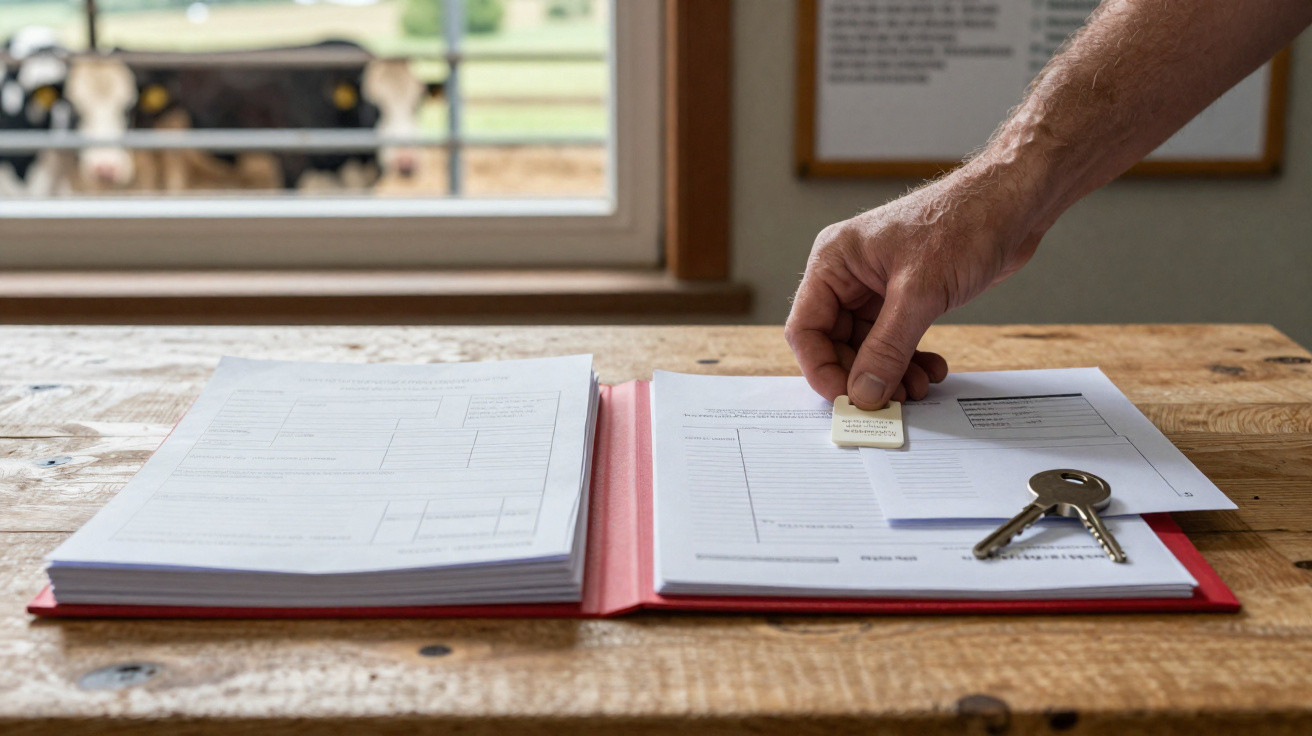
Put the arrangement in writing. It should cover the grazing area, dates, type and number of animals, fencing, water, public access, emergency contacts and responsibility for animal health and welfare.
Rules on livestock identification, movements, holdings and animal health differ across England, Scotland, Wales and Northern Ireland. Check the current requirements with the relevant animal-health and rural authorities before stock arrives.
The daily checks that make grazing work
A peaceful-looking field still needs regular attention, including weekends and poor weather. Animals must be checked often enough to protect their welfare; in practice, a daily visit is usually sensible and may need to be more frequent in difficult conditions.
Check that:
- every animal is present, mobile and behaving normally;
- clean water is available and troughs have not frozen or run dry;
- fences, gates and electric fencing are functioning;
- forage, shade and shelter remain adequate;
- there are no toxic plants, dumped waste, fallen branches or other hazards;
- public paths, gates and neighbouring boundaries are secure.
Summer brings heat, flies and higher water demand. Winter can bring mud, frozen troughs and difficult access. Goats in particular are vulnerable to wet, cold conditions and need appropriate shelter.
Common mistakes when using animals to manage vegetation
The basic idea is straightforward; managing it well is not.
- Keeping too many animals on the site for too long. Overgrazing can expose soil, reduce plant diversity and leave insufficient forage.
- Treating goats as an instant solution. They can escape through weak fencing and may damage trees, hedges and plants you intended to retain.
- Ignoring poisonous plants and garden waste. Ragwort, yew clippings and unsuitable ornamental cuttings can be dangerous. Never assume livestock will always avoid harmful material.
- Using heavy stock on saturated ground. This can churn soil, damage banks and affect water margins.
- Installing fencing once and forgetting it. Storms, fallen branches, wildlife and public interference can quickly create an escape route.
- Overlooking public access. Open gates, loose dogs and visitors feeding animals can create serious welfare and safety problems.
- Expecting grazing to replace every other method. Dense scrub and inaccessible corners may still need competent manual or mechanical work.
Safety, welfare and public access
Do not introduce animals until fencing, water, forage, shelter and a reliable inspection routine are in place. Keep dogs under close control around livestock, and do not allow visitors to feed animals: apparently harmless food can cause illness.
If scrub needs cutting, tree work or machinery, use competent operators with suitable protective equipment. Avoid burning vegetation unless it is lawful, appropriate for the site and conditions are safe. Never burn material in dry or windy weather, or leave a fire unattended.
For land beside roads, homes or busy footpaths, plan how animals will be moved, contained and checked without putting the public at risk. Clear, practical signs can help, but secure gates and well-maintained boundaries matter more.
Start with one manageable area
Choose a defined patch of land and decide what success looks like: fewer brambles, shorter grass, improved access, or a more varied habitat. Speak to local graziers, agricultural networks, wildlife trusts or land-management advisers about suitable stock, fencing, inspection routines and likely costs.
Record the starting point with photographs, then review the area after wet weather and through the following growing season. Look not only at what has been eaten, but also at soil condition, plant recovery, fencing problems and the amount of work required.
A flock or herd can be an effective partner in managing vegetation. The best results come from treating grazing as skilled, ongoing livestock management - not as cheap clearance.
Comments
No comments yet. Be the first to comment!
Leave a Comment