
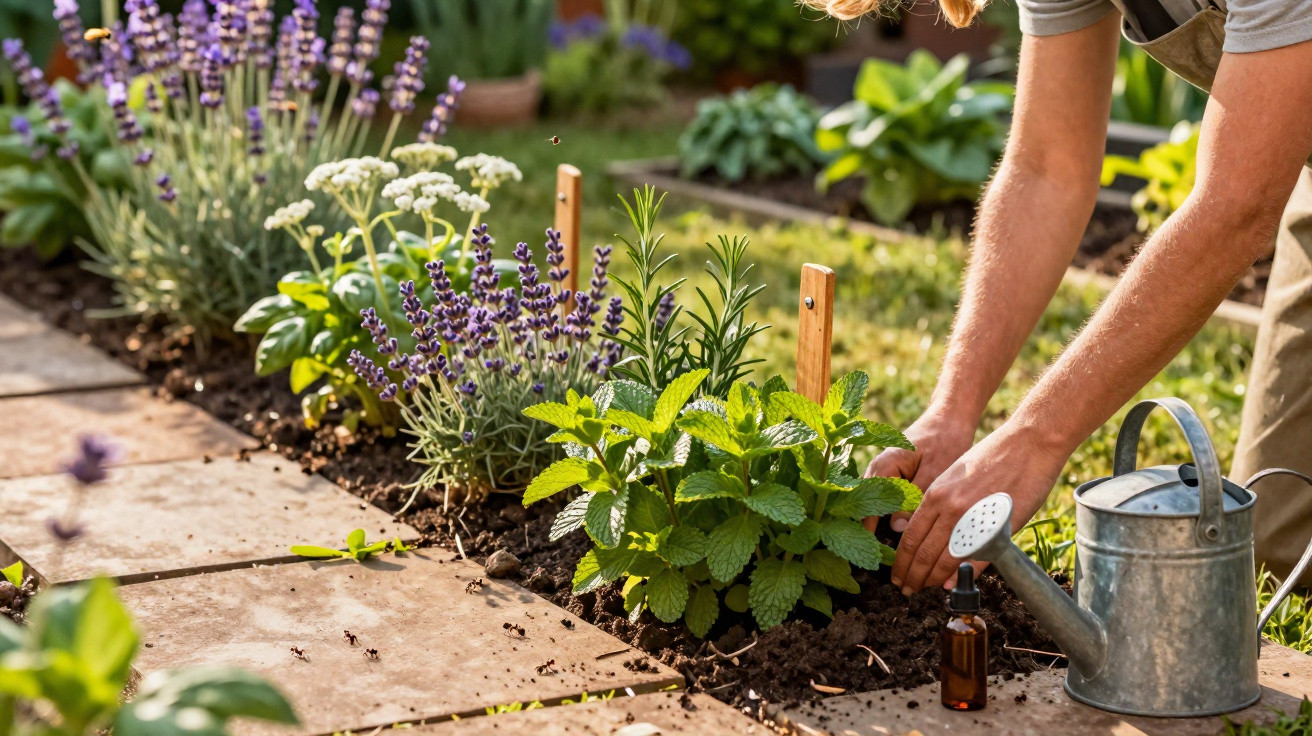
Ants are as much a part of the garden as earthworms and bees. They help aerate the soil, clear away dead insects and play their role in a healthy ecosystem. Even so, they can become a real irritation when they appear on the patio, in a raised bed, or even indoors. If you’d rather not use poisonous bait, there’s a surprisingly simple alternative: certain herbs and ornamental plants whose scent ants deliberately avoid.
Why ants hate smells – and how gardeners can use that
Ants navigate largely by scent trails. When a worker finds a food source, it lays down pheromones to create a kind of “scent road” that other ants follow. Strongly aromatic plants tackle the problem at exactly this point: they mask or disrupt the trail. To us, it simply smells like a lovely herb garden; to ants, it becomes confusing chaos.
"With selected herbs and scented plants, you create an invisible barrier that ants avoid without killing them."
The big advantage is that this approach is gentle on beneficial insects, looks natural in any garden, and works just as well on a balcony or windowsill.
Menthol power: peppermint as a living protective line
Peppermint gives off an intense menthol fragrance. That’s enough to overwhelm ants’ sensitive antennae, so they tend to avoid routes that run through those areas.
- Ideal for: entrances, patio edges, pots placed near the front door
- Position: partial shade to full sun, humus-rich soil
- Bonus: tea, cocktails, desserts – you can harvest it straight into the kitchen
Peppermint spreads vigorously. That’s why many gardeners prefer to grow it in pots and place them at key points: right by the patio door, along cracks in walls, or beside the compost.
Lavender: a scented cushion against ants and a boost for bees
Lavender is almost a garden staple: purple flowers, Mediterranean character, and a magnet for bees. What’s less widely known is that its essential oils also deter ants for the long term.
Typical places to use it include:
- Along garden paths that ants regularly use
- Around seating areas and patio slabs
- Near house walls where ants like to move into masonry
Lavender thrives in full sun and prefers drier conditions. Planted loosely in groups, it forms a fragrant border that breaks up many ant trails while also attracting butterflies.
Thyme: a small groundcover with a big effect
Thyme may seem subtler than peppermint, but it can be just as effective. Its scent sits in the leaves and becomes even stronger when brushed against.
Thyme works particularly well:
- as a low edging for beds where ants “farm” aphids,
- between stepping stones and in paving joints,
- or in balcony planters along the railing.
It likes full sun and free-draining soil. Alongside its ant-deterring role, it’s a staple in the kitchen: with vegetables, baked potatoes, meat, or Mediterranean-style stews.
Rosemary: a tough, fragrant barrier by the house
Rosemary grows densely, becomes woody over time, and copes extremely well with heat. Its resinous scent is also among the smells ants tend to avoid.
"If you plant rosemary as a ‘light hedge’ by entrances, you create a long-lasting scented barrier with minimal maintenance."
Rosemary is especially useful:
- on house corners and along patio edges,
- beside basement light wells,
- or along walls where ants like to travel up and down.
Tansy: yellow flower buttons with strong insect action
Tansy (often known as common tansy) produces bright yellow button-like flower heads and contains natural bitter compounds and essential oils. These don’t just put off ants, but can also deter other nuisance insects such as certain types of flies.
Because tansy is hardy and grows vigorously, it’s best used in a targeted way – for instance, behind the vegetable patch or along fence lines. In a small garden, a single clump in a strategic spot is often enough.
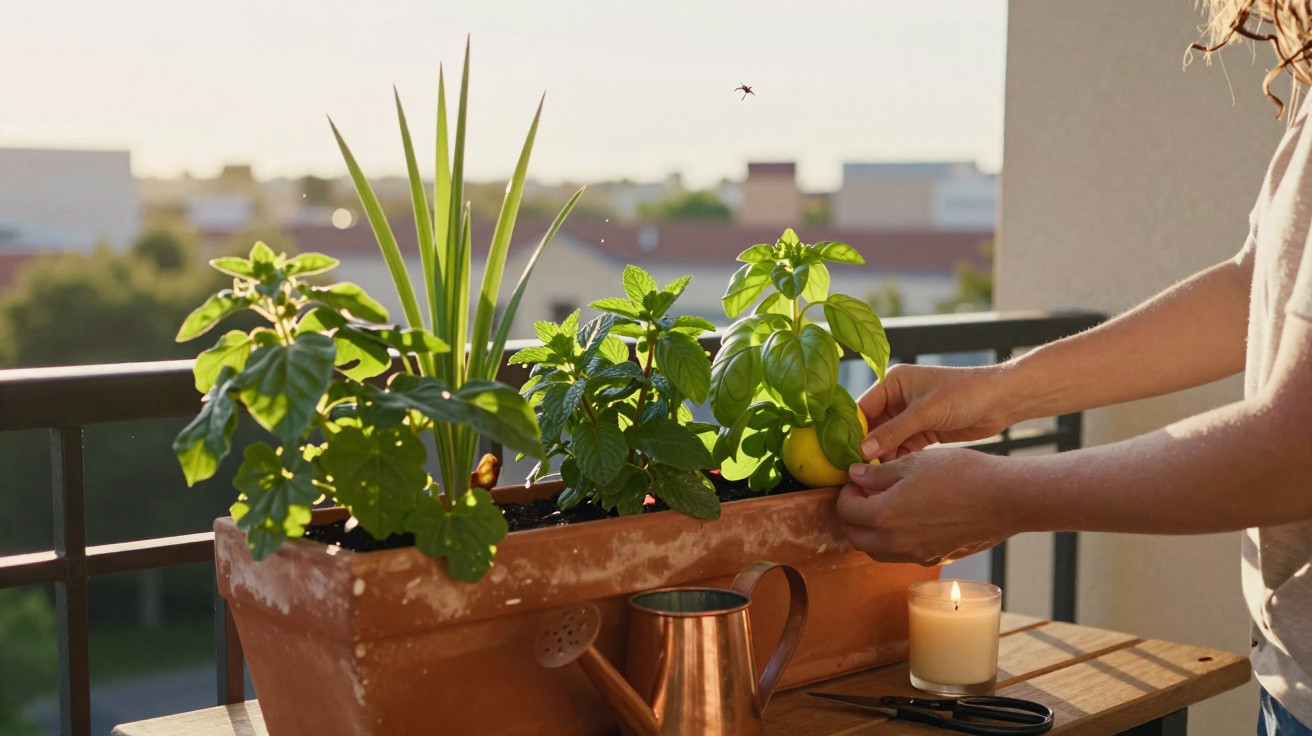
Basil: a kitchen herb that spoils ants’ appetite
Basil is a favourite herb for many home cooks. For ants, however, its fragrance is more of a warning than an invitation.
Basil is well suited:
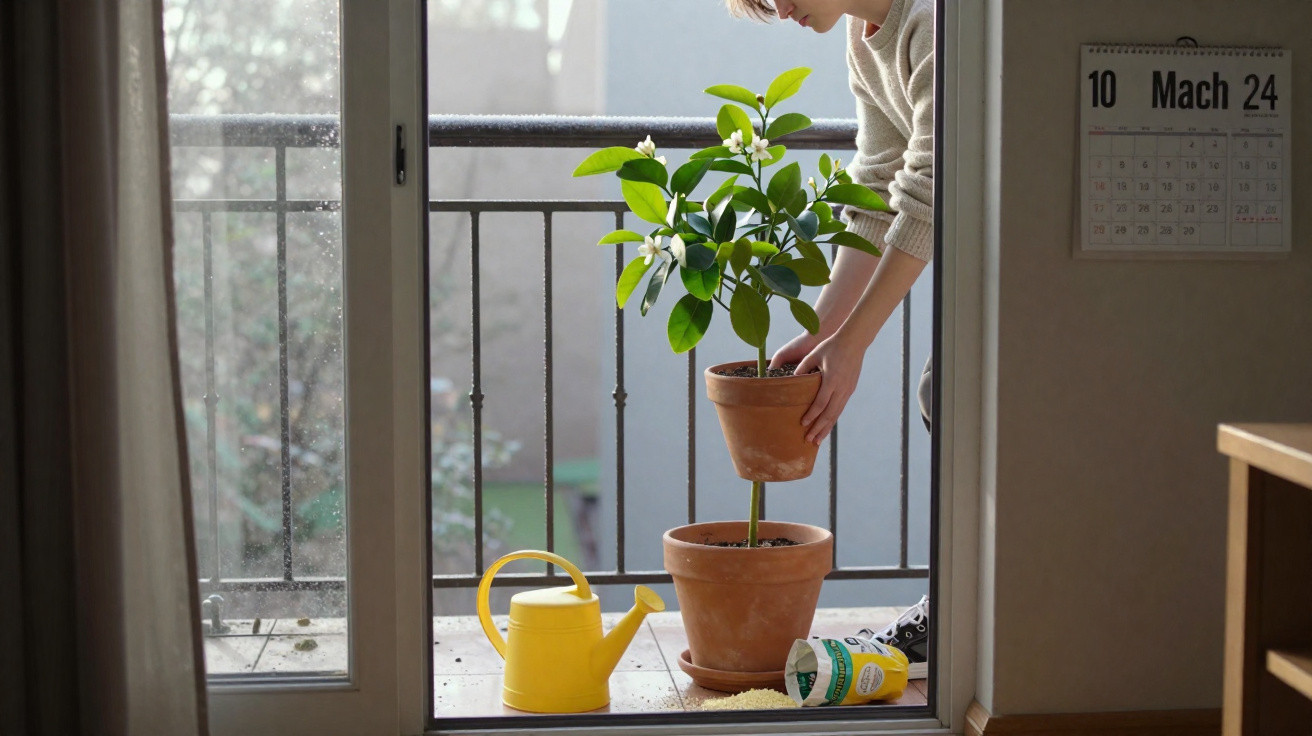
- on windowsills where ants often try to enter the house,
- in a pot placed right next to the balcony door,
- or in a raised bed where ants have been active before.
Regular watering and a sunny position keep it healthy. The more you harvest, the bushier it becomes – and the more scent it releases into the surrounding area.
Garlic: a sharp smell and a clear message for ants
Garlic cloves planted in the soil act like small scent anchors. Around each bulb, a halo of odour forms that ants tend to steer clear of.
Popular places to use garlic include:
- rings of cloves around patio slabs that are repeatedly undermined,
- between roses and other ornamental plants,
- along the edges of vegetable beds.
Many gardeners report that garlic doesn’t only limit ant activity, but can also reduce fungal problems on neighbouring plants. That means each clove can serve two purposes.
Yarrow: delicate looks, clear function
With its fine leaves and flat flower clusters, yarrow can look almost fragile, yet it’s remarkably tough. It attracts beneficial insects such as parasitoid wasps and ladybirds, whose presence ants dislike – because these predators feed on aphids, and ants rely on aphids for honeydew.
By planting yarrow in sunny corners, you create a small hub for beneficial insects. At the same time, the plant releases compounds into its surroundings that ants don’t find particularly appealing.
How to place ant-repelling plants correctly
Where you put them makes a big difference. A couple of random pots on the patio won’t do as much as a deliberately planned “scent line”.
- Watch the ant routes: spend a few days noting where they travel – cracks in walls, steps, along bed edges.
- Create barriers: place peppermint, lavender or rosemary right along these routes, as close together as possible.
- Use combinations: two or three different species side by side often work better than a single plant alone.
- Keep the scent strong: cut herbs back regularly so they regrow and produce more essential oils.
Oils and infusions: the turbo option for active ant trails
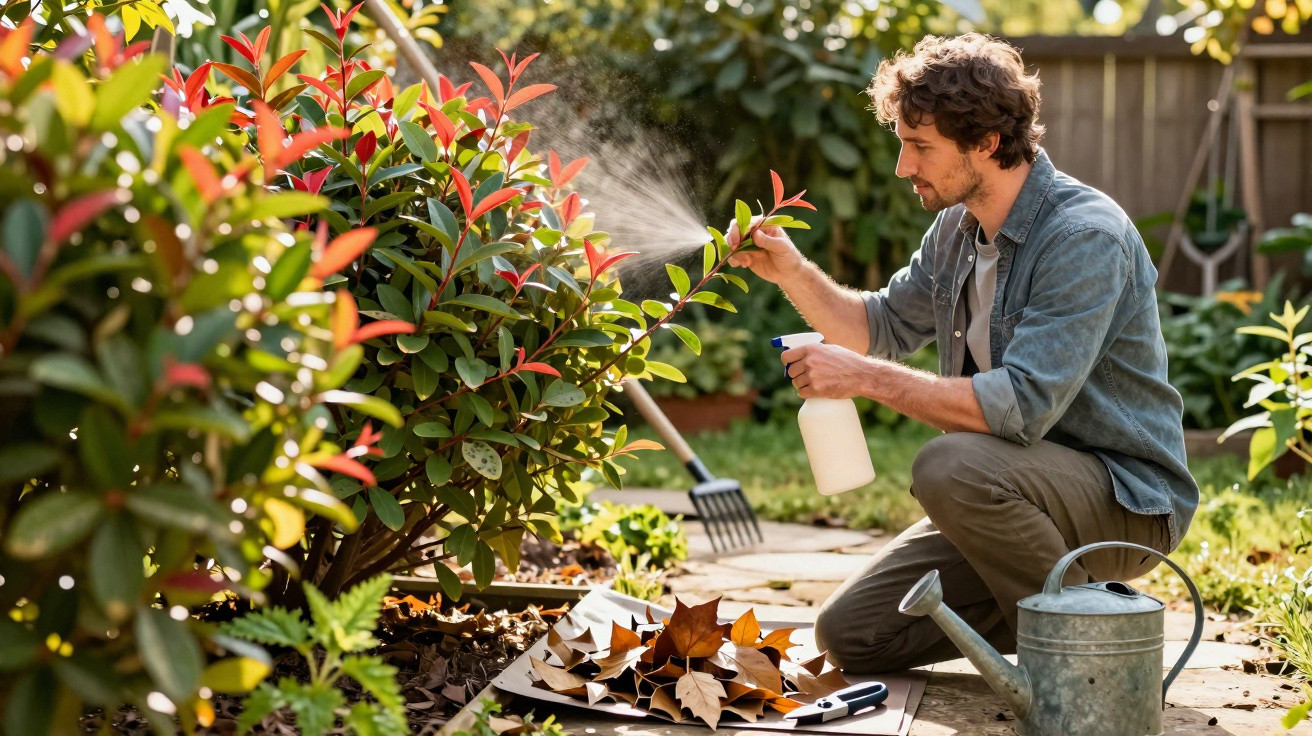
If you need a rapid response, you can use essential oils from the plants mentioned. Add a few drops of lavender, peppermint or thyme oil to water, shake well, then spray it onto ant trails. The ants often abandon the route immediately.
"Sprays made from essential oils work like an instant stop, while the living plants reduce ant pressure over the long term."
When plants aren’t enough – and what helps then
Sometimes the colony sits deep under the patio or within the foundations. In cases like that, scented plants can reduce activity, but they won’t fully eliminate the nest.
A combined approach is useful:
- herb and scented zones as a long-term barrier,
- at the same time, reduce food sources such as open bins and leftover pet food,
- seal cracks in masonry and between slabs with sand or jointing mortar.
If you want to avoid chemical products, you can use baits made with diatomaceous earth or sugar-and-yeast mixtures. These tend to be more targeted than sprays and put less strain on soil life and beneficial insects.
More benefits than just ant protection
Most of the plants listed offer real added value: they season meals, provide forage for bees, or turn a dull bed into a lively herb zone. That way, gardeners don’t just create a natural deterrent – they also encourage more diversity in the garden.
Another plus: if you garden with children, you can plant these barrier herbs together and explain how insects communicate and why certain scents throw them off. That turns dealing with ants into a small nature project – with lavender in the air instead of chemical odours.


Comments
No comments yet. Be the first to comment!
Leave a Comment