
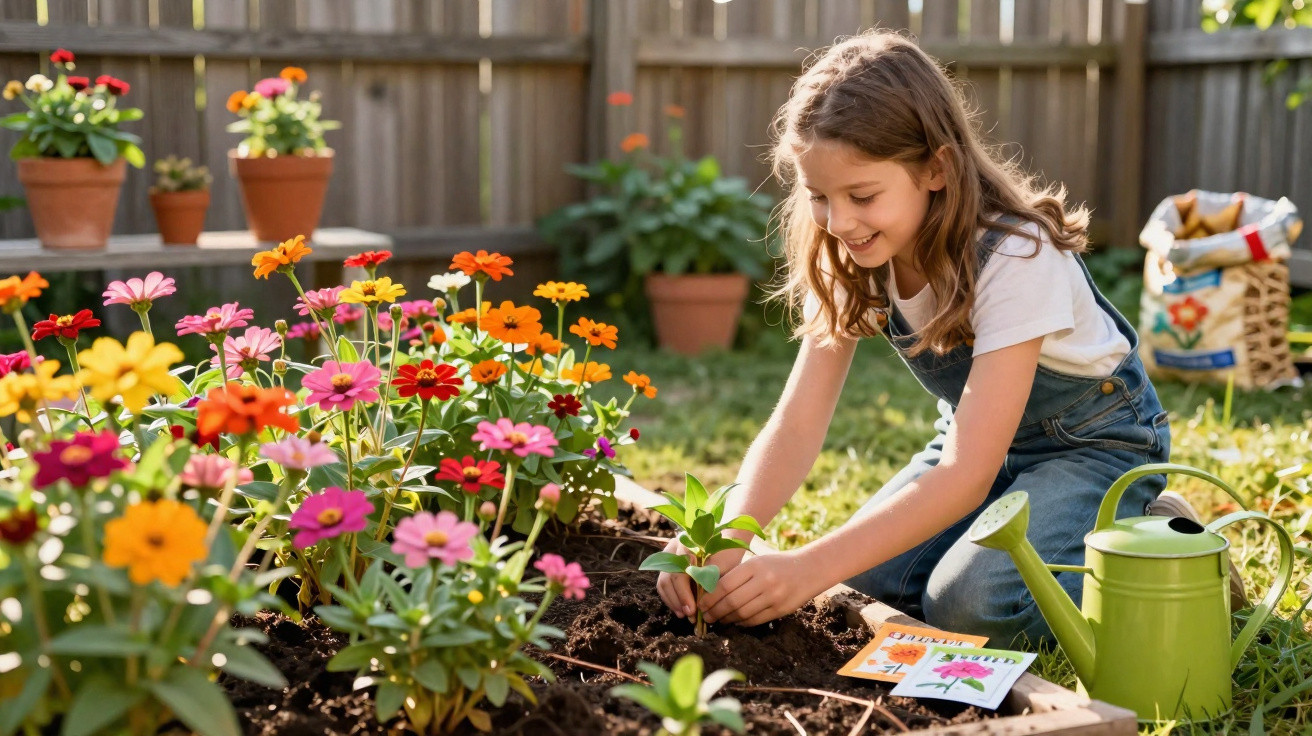
No green fingers needed for a blaze of blooms: plant the right varieties now and you can enjoy colour in the garden for months – with hardly any effort.
Many amateur gardeners dream of a flower bed packed with blooms, yet complicated planting schemes and hours of upkeep often put them off. In reality, a modest trio of hardy summer flowers is enough to turn a drab patch into a vibrant splash of colour, lasting right into autumn. Three plants stand out in particular: cosmos, rudbeckias and zinnias.
The powerful trio for months of flowers
Just three varieties can create a bed that looks as though it has been designed by a professional. Each flower contributes a distinct character, while together they form a particularly harmonious display.
“Combining Cosmos, Rudbeckia and Zinnia brings a firework display of colour to the garden from June to October.”
Cosmos: the airy flower
Cosmos, also known as Mexican aster, brings a light and delicate feel. Its fine, branching stems carry large, open flowers in pink, white, purple and pastel shades. They sway with every breeze, making a border feel alive without overwhelming it visually.
Thanks to its height, cosmos is ideal for the middle of a border or as a relaxed backdrop in larger plantings. The blooms also last well in a vase, making this species an excellent choice for anyone who enjoys cutting flowers for home-grown bouquets.
Rudbeckia: the sunflower for borders
With their vivid yellow petals and dark centres, rudbeckias resemble miniature suns. Many varieties flower from high summer well into autumn, providing a sturdy, eye-catching backdrop in a perennial border.
They prefer a position in full sun and look especially effective when planted in groups. In natural-style gardens, they pair beautifully with ornamental grasses or late-summer perennials such as coneflowers and sedums.
Zinnia: the party plant among summer flowers
Zinnias introduce bold colour: bright orange, vivid red, intense pink and bi-coloured varieties. Many types produce dense, double flower heads, while others are simpler in form but particularly long-lasting and weather-resistant.
They are perfect at the front of a border or in large pots on a balcony or patio. They are another excellent option for keen flower cutters, as zinnias impress with their dense foliage and plentiful blooms.
Why these flowers suit busy and low-maintenance gardens
What makes this trio special is its ability to forgive almost every beginner’s mistake. None of these three plants demands perfect soil or daily attention.
- Tough in hot weather: All three cope well with sunny positions.
- Undemanding soil requirements: Ordinary garden soil is entirely sufficient in most cases.
- Very little maintenance: A few simple tasks each week are enough.
- Highly useful for insects: Cosmos and Rudbeckia in particular attract bees, bumblebees and butterflies.
This planting idea is therefore well suited to people in work, gardening newcomers and anyone who likes attractive borders but does not want to be out with a watering can every evening.
The right time: when to start
The best time to begin is after the final night frosts. Depending on the region, this falls between late May and early June. Sowing or planting too early risks cold damage and slower growth because the soil is still too cool.
Once the soil in the bed feels pleasantly warm to the touch and frost is no longer forecast overnight, it is time to begin.
How to plant Cosmos, Rudbeckia and Zinnia correctly
Sow cosmos straight into the border
Cosmos germinates reliably outdoors, so there is no need to raise plants indoors. Here is how:
- Loosen the surface of the soil and remove larger stones or remaining roots.
- Make rows or scatter the seed broadly, depending on the look you want.
- Allow 20–30 centimetres between the plants once they have grown.
- Cover the seeds with only the finest layer of soil, around 2–3 millimetres.
- Water thoroughly once after sowing.
Once the young plants are a little larger, any that are growing too close together can simply be lifted and replanted elsewhere.
Plant Rudbeckia from pots
Rudbeckias are best planted as pot-grown young plants. This saves time and produces visible results quickly.
Important points:
- Choose a spot in as much full sun as possible.
- Leave at least 40 centimetres between each plant so it can develop properly.
- Avoid waterlogging: free-draining soil is preferable to a permanently wet corner.
The plants grow into vigorous clumps and often flower very generously in their first year.
Sow Zinnia only into warm soil
Zinnias are sensitive to cold and wet conditions. The soil should therefore be thoroughly warmed before sowing, usually from mid-May onwards and a little later in cooler areas.
Important: zinnias do not like being transplanted. Sowing directly into the border avoids unnecessary stress for the plants:
- Keep a spacing of 20–30 centimetres, depending on the variety.
- Leave young plants where they are whenever possible.
- Keep them evenly moist, but not too wet, during the first few weeks.
A few minutes of care: keeping the border flowering into autumn
Ongoing maintenance is limited to simple routines that fit easily into everyday life.
Remove faded flowers consistently
Regularly cutting off spent flower heads gives plants a clear instruction: keep flowering. Their energy goes into fresh buds rather than seed production.
“Going through the border with secateurs once a week is usually enough to extend the flowering period considerably.”
Water properly rather than constantly
It is better to water less often but deeply than to give plants a little water every day. One substantial weekly soaking that reaches deep into the soil encourages roots to grow downwards. During heatwaves, increase the frequency without leaving the ground permanently saturated.
This is especially important for zinnias: water the root area whenever possible, rather than the leaves and flowers. Damp foliage encourages fungal diseases.
Mulch: the secret weapon against stress
A thin layer of lawn clippings, shredded prunings or bark mulch around the plants works like a natural protective cover. It slows the drying of the soil, keeps it looser and makes it harder for weeds to establish.
A trick for flowers until October: sow in stages
Anyone who wants to deliberately extend the flowering season can make a second sowing. A second round is particularly worthwhile for cosmos and zinnia:
- first sowing in May
- a second, smaller sowing in late May or early June
The younger plants then take over the colour display as the older ones gradually lose vigour. In mild regions, this staggered approach often continues until October.
Save money: collect your own seed and divide plants
There is another advantage to this system: once you have started, there is barely any need to spend money the following year.
With cosmos and zinnia, simply leave a few flowers until they are completely dry. The seed heads can then be removed easily, stored somewhere dry and sown again the following spring.
Many Rudbeckia varieties are perennial. Over the years, they form larger clumps that can be divided every three to four years. This provides plants for new borders or gifts for neighbours and friends.
What beginners should also know
Those with little gardening experience can benefit from a few straightforward principles. A sunny site is essential for this trio: at least five to six hours of direct sun each day produces significantly more flowers than a partly shaded position.
Another point is that too much fertiliser does more harm than good. Overfed plants produce plenty of foliage but fewer blooms. Ordinary garden soil without constant feeding generally delivers the best results here.
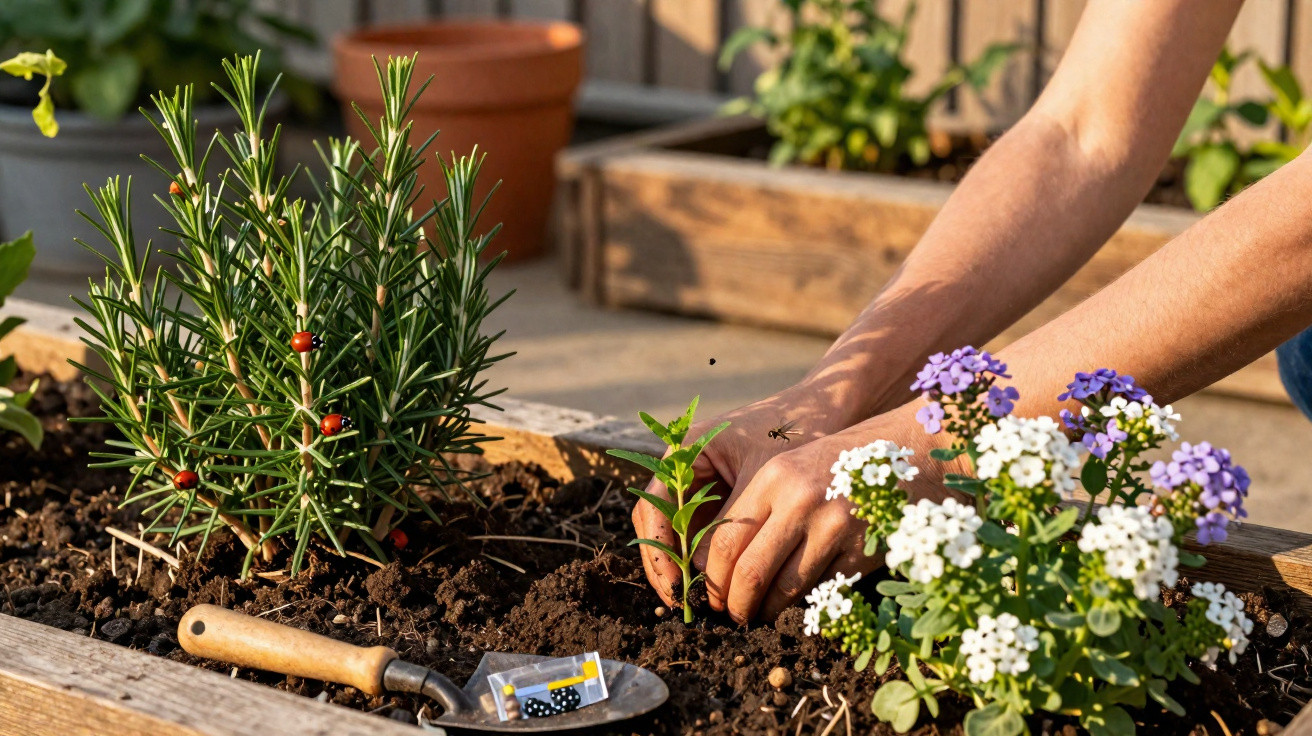
Combinations can also be appealing: small ornamental grasses or low-growing herbs such as thyme and oregano fit well between cosmos, rudbeckias and zinnias. They fill gaps, protect the soil and create a natural, relaxed-looking effect.
For households with children, this border idea makes an ideal project. Growth is quick, the colours are impressive, and picking home-grown bouquets offers an immediate sense of achievement. A previously bare patch can therefore become a lively, colourful area that lifts the mood until autumn – with surprisingly little work.



Comments
No comments yet. Be the first to comment!
Leave a Comment