
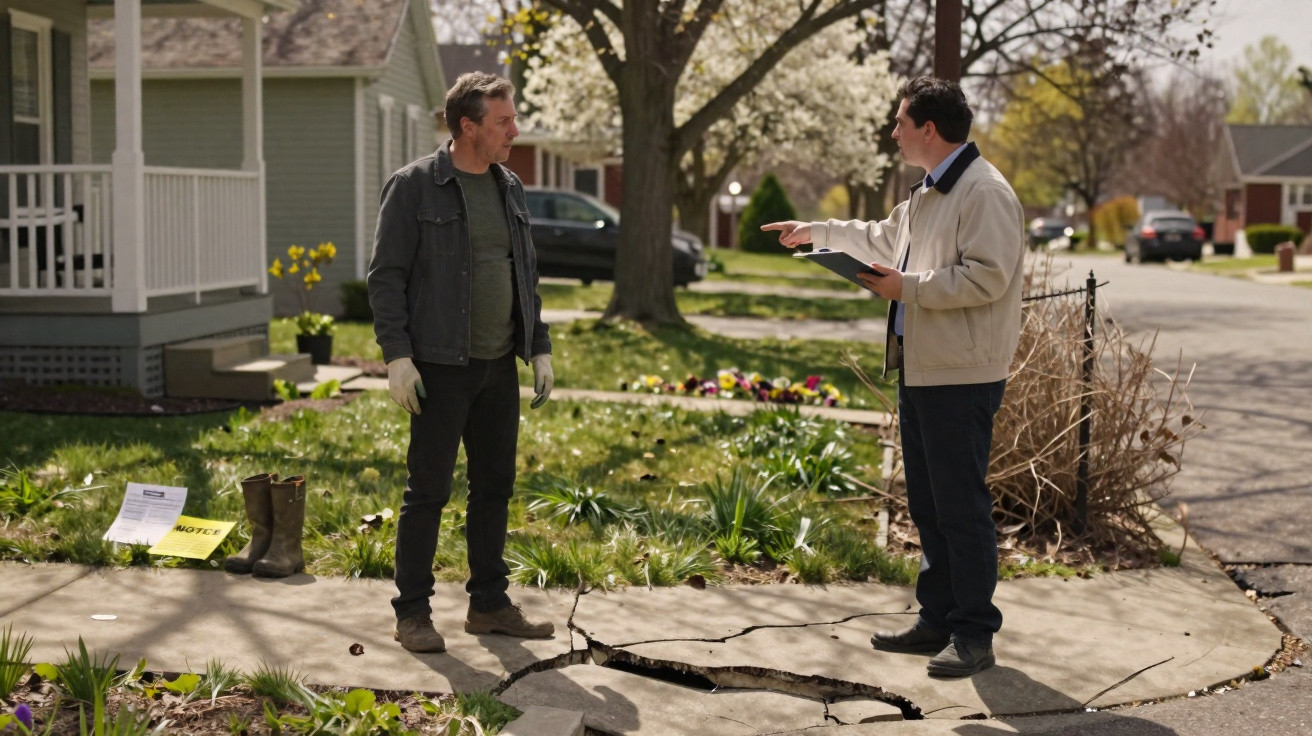
Letting the garden run a little wild in spring can lead to hefty penalties in many towns and villages. The issue is not parking tickets or missed paperwork, but insufficient upkeep of a property, the front garden and the areas immediately around the home. This duty is not an odd, niche rule; it is a straightforward public-safety and local-order requirement that many people still do not know about - and one that councils tend to enforce particularly closely in spring.
Why spring can become a problem for property owners
As soon as temperatures rise, plants surge into growth. Lawns, hedges and shrubs can look noticeably fuller within a few weeks. What many keen gardeners see as healthy, abundant greenery is often treated by authorities as a hazard and a nuisance.
In many municipalities - in France as well as in Germany - there is an obligation to maintain your land and the immediate surroundings. Depending on the area, this can include:
- garden and lawn areas on your own property
- embankments, verges and unused plots
- hedges and bushes along the property boundary
- pavements that run alongside the property
The purpose is not simply appearance. Councils and fire services repeatedly point to two main reasons: fire prevention and reducing public nuisance.
"Overgrown properties are seen as fire accelerants and as an invitation to pests - and they can also trigger neighbour disputes when vegetation spreads beyond boundaries."
This matters most in regions with a high wildfire risk, where clearing dry scrub, tall grass and dead plant matter is a key precaution. But even well away from woodland areas, local authorities may intervene if hedges encroach onto pavements, weeds obstruct sightlines at junctions, or rats and other pests begin to thrive in neglected gardens.
Local requirements: from fire risk to trip hazards
The difficult part for owners is that the exact standards vary widely from one place to the next. What is ignored in one municipality can result in a fine in another. Common requirements relate to:
- minimum distances between vegetation and buildings in high-risk zones
- regular cutting back of hedges and shrubs
- cleaning pavements outside the home and removing leaves
- clearing scrub in designated areas, such as near woodland edges
In southern parts of France, cutting back vegetation around homes is set out in law to reduce the spread of forest and brush fires. Germany has comparable rules through state legislation, municipal by-laws and road laws. Councils can, for example, require owners to keep the pavement outside the house free of weeds and uncontrolled growth, or to trim hedges so they do not block visibility or restrict passage.
Misconception: “This only affects isolated farmhouses in the countryside”
Many homeowners assume these rules apply only to remote properties with large plots. That is mistaken. In many cities and suburbs, requirements can also apply to:
- front gardens of detached houses
- access paths to terraced homes
- verges along garage driveways
- small, unused parcels within residential areas
It becomes especially sensitive when hedges or bushes spread onto the pavement. In that situation, the risk is not only a fine; liability issues can follow too - for instance after a fall if a pedestrian has to step into the road to get past.
When the council enforcement team turns up
Inspections are most common in spring and early summer. In many places, the process escalates in stages:
- Informal notice: a polite letter or note points out the issue.
- Deadline: the owner is given a few days or weeks to tidy and cut back the area.
- Fine: if nothing changes, a warning notice or a formal fine may be issued.
- Enforced action: in extreme cases, the municipality hires a contractor and invoices the owner.
In France, penalties of up to 1500 euros are possible if required measures are ignored, particularly in high fire-risk areas. German municipalities are often lower, but even a three-figure sum can sting - especially if it is followed by a bill from a gardening contractor.
"The result can be: first the fine, then an external contractor - and in the end, the owner pays for both."
Typical triggers include:
- tall, dry grass on undeveloped plots
- hedges that protrude into the pavement or roadway
- overgrown, unsecured embankments next to public paths
- properties that clearly deteriorate over a long period
Why so many owners are caught off guard by the requirement
A major reason is simple: many owners do not know what their municipality expects. When buying a house or a plot of land, attention tends to be on property tax, energy certificates and the solicitor’s contract. Local maintenance duties are often barely mentioned - if they are mentioned at all.
Landlords also frequently underestimate the issue. Tenancy agreements often say tenants must “maintain the garden”, but the wording is vague. The legal responsibility towards the municipality, however, usually sits with the owner rather than the tenant.
On top of that, every town and municipality has its own detailed rules. In one place, a basic tidy-up may be enough. In the neighbouring area, you might need a clearly defined cut-back within a specified radius around the building. Anyone who moves house or owns a holiday home can easily miss these differences.
How to avoid unpleasant surprises
The most reliable approach is to check with the local authority. A quick look at local rules takes little time and can prevent expensive consequences. Practical steps include:
- asking at the town hall or local service centre
- checking the by-law on street cleaning and pavement maintenance
- seeking guidance from the fire service or council enforcement in wildfire regions
- clarifying, for rented properties, who does which tasks
Many municipalities publish guidance notes that set out minimum distances, the radius to keep clear around a home, or deadlines for particular work. These documents are often far easier to understand than the underlying legal texts.
Practical examples: when the duty applies - and when it does not
For orientation, here are common scenarios that repeatedly arise across Europe:
| Scenario | What is required |
|---|---|
| Home on the edge of woodland in a high-risk zone | Cut back shrubs, remove dry wood, keep a limited radius of short grass around the building |
| Detached house in a small town | Keep the pavement clean, trim the boundary hedge regularly, avoid blocking sightlines at driveways |
| Unused building plot | Mow several times a year, no metre-high weeds, no dumping of rubbish, fencing if required |
| Rented terraced house with a small garden | Clear allocation of responsibilities in the tenancy agreement, owner oversight when official letters arrive |
What owners can do in practical terms
To avoid trouble, you do not need to be a professional gardener. In many cases, a few routine actions are enough:
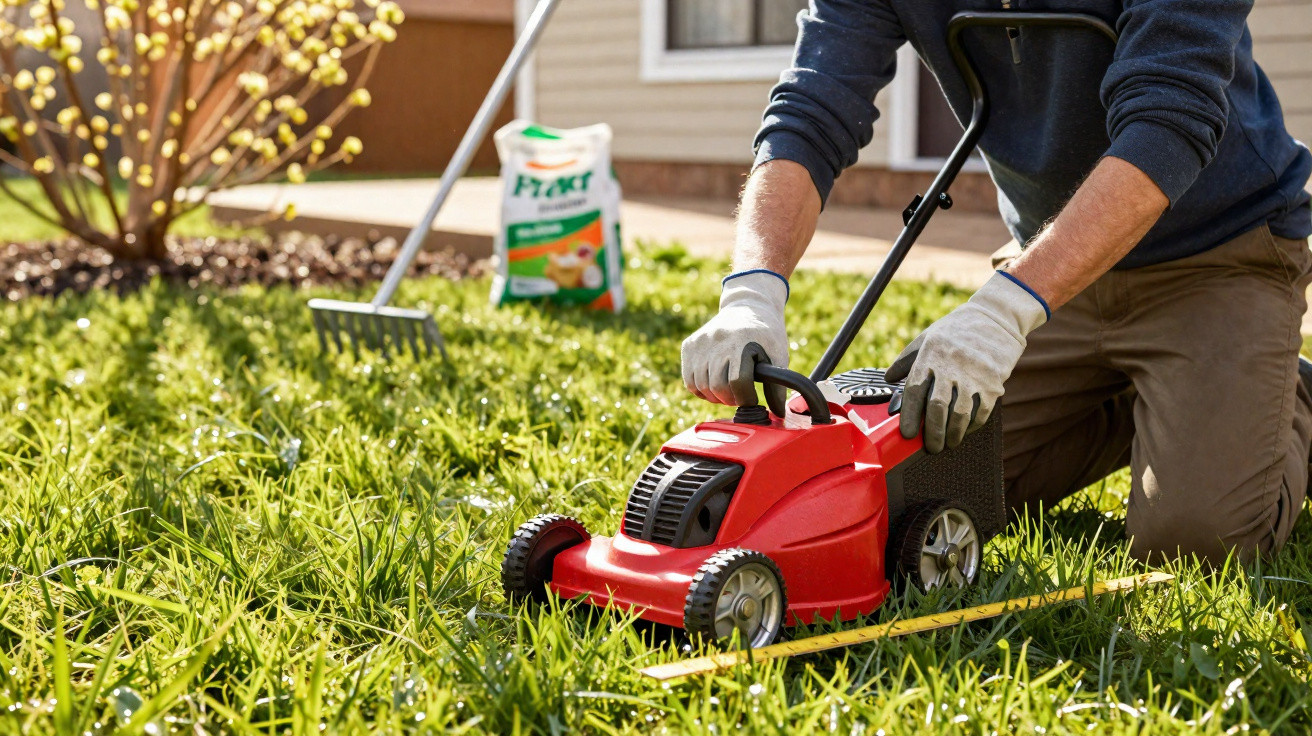
- cut the lawn several times a month in spring and summer
- remove dry leaves and dead plant material
- trim hedges so they do not extend beyond the fence or over the pavement
- keep embankments stable so nothing slips onto the pavement
- keep unused areas broadly under control rather than leaving them entirely unmanaged
For large plots or holiday homes, a standing arrangement with a gardener or property-maintenance service can be worthwhile. The cost is often far less than what becomes payable in a fine case, plus emergency cutting-back by a specialist firm.
Why the rule can make sense despite the frustration
Many affected owners experience these requirements as heavy-handed, particularly when finances are tight. But the underlying rationale becomes clearer when you look at the risks. Fire danger, rat infestations and blocked sightlines at junctions do not start only in extreme cases. Even moderate overgrowth can become an issue during dry spells or increase the likelihood of accidents.
Keeping a property in good order helps protect not only the owner but also immediate neighbours. In densely built residential areas, a fire can spread quickly from one garden to nearby homes. And if roots lift paving slabs or shrubs encroach into the carriageway, injuries or vehicle damage will often end up being the owner’s problem.
This duty can also be compatible with landscape and biodiversity. Natural corners of the garden are still possible, provided they do not become a safety risk or affect public areas. Even a “wildflower meadow” and insect-friendly planting can work - but it needs to be intentional planning, not the by-product of years of neglect.





Comments
No comments yet. Be the first to comment!
Leave a Comment